

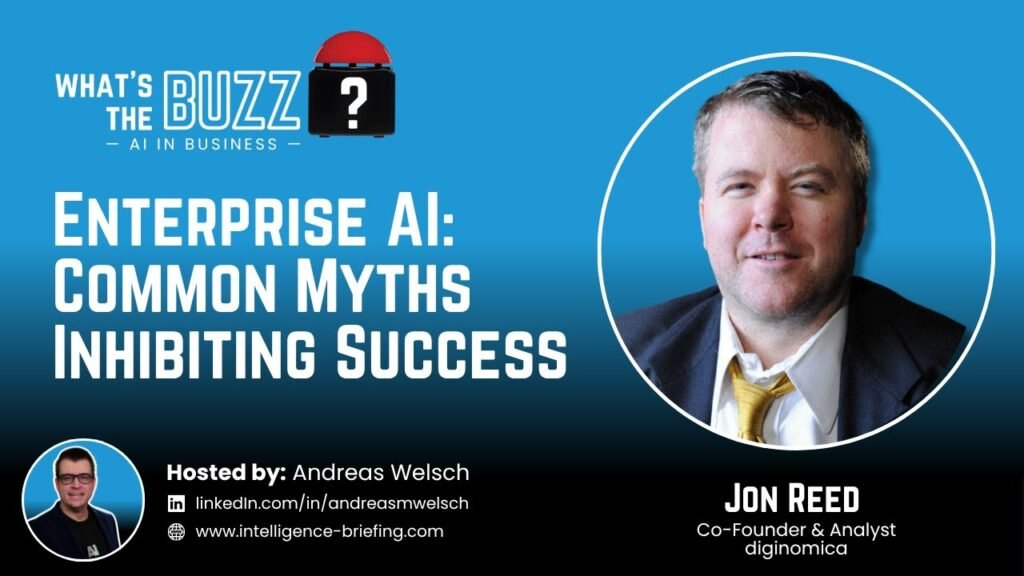
Which Enterprise AI Myths Are Holding Back Success?
Agentic AI is not a cure-all, better data does not guarantee results and domain experts still matter. Enterprise AI myths, busted with real use cases.
Agentic AI is not a cure-all, better data does not guarantee results and domain experts still matter. Enterprise AI myths, busted with real use cases.
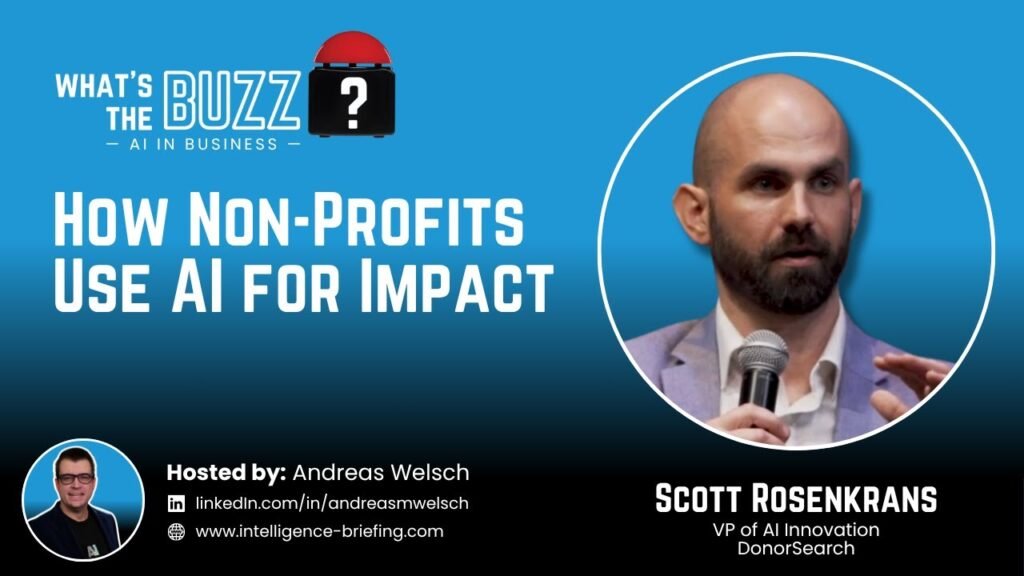
A nonprofit gives donors trust in return for a gift. Hear why that changes how the sector uses AI, where AI should stay out and how to measure impact.
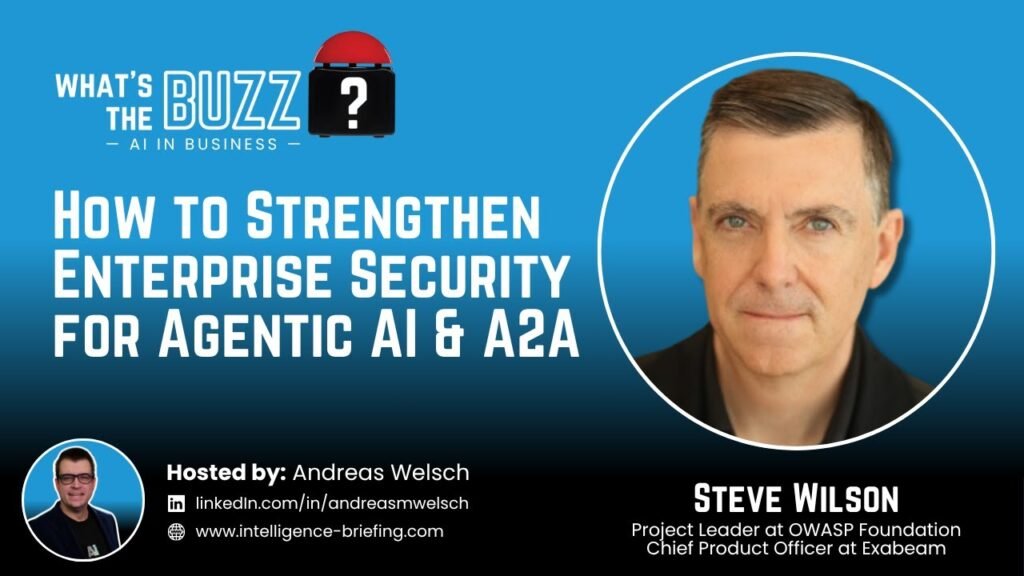
Agency is a volume knob, not a switch. Hear where AI agent security risk starts, why data access comes first and how MCP and A2A differ in practice.
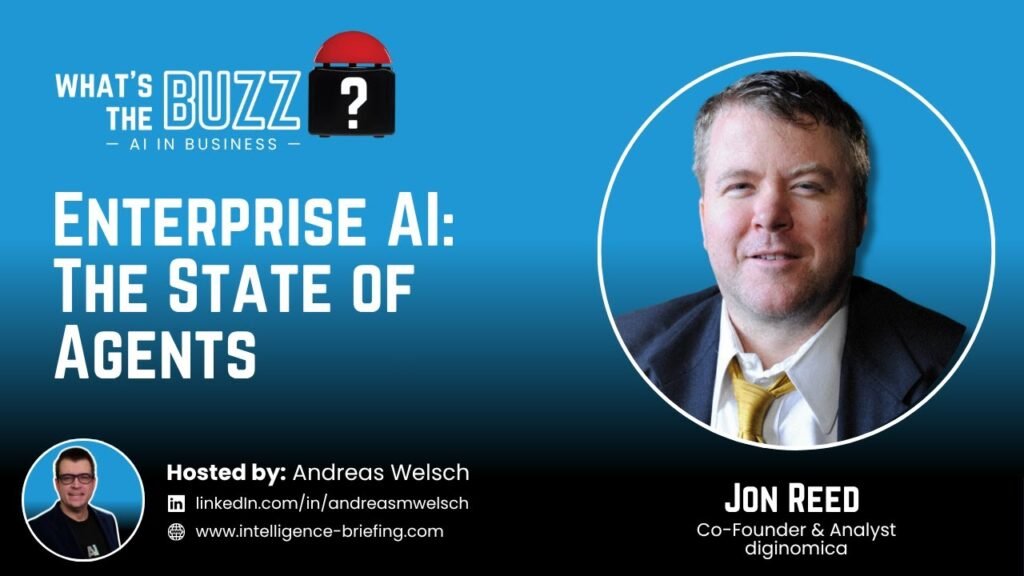
Where enterprise AI agents stand after the spring conferences: first live use cases, agent protocols, shadow AI and why pilots beat proofs of concept.
AI agents can do what a person can do, yet models infer rather than think. Hear which roles change, why hiring continues and how to start with safe Gen AI.
AI projects are data projects. See why they fail, how a six-phase iterative method keeps them on track, and why starting small and iterating often works.
Barr Moses of Monte Carlo explains why only one in three leaders say their data is ready for AI, and what makes AI agents reliable.
Leah Tharin explains why siloed AI agents struggle to sell, how to price agentic AI products, and why enterprise data and human oversight decide adoption.
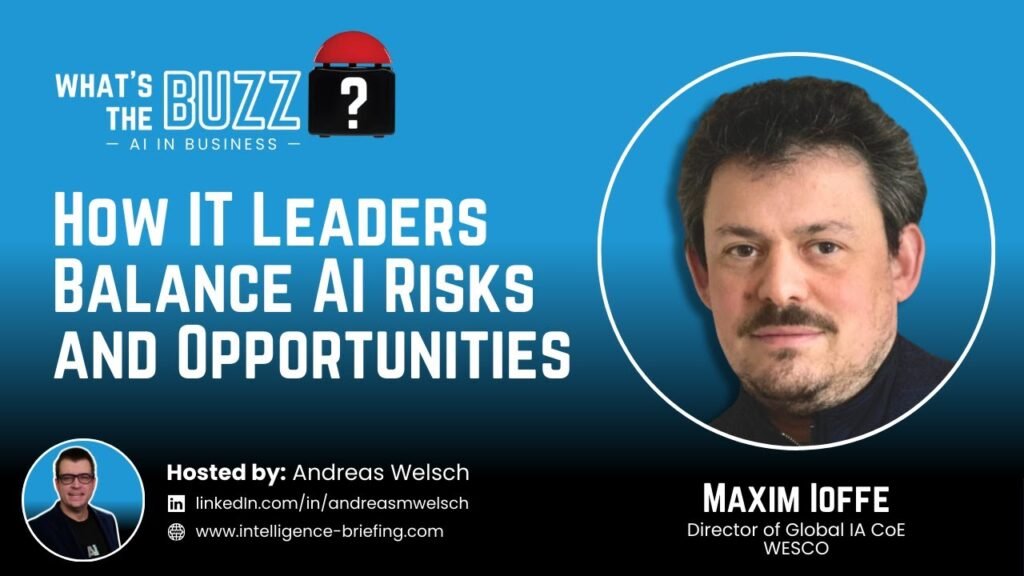
Maxim Ioffe of WESCO explains how AI leaders build momentum with three pillars, strategy, funding and governance, and a consistent intake framework.
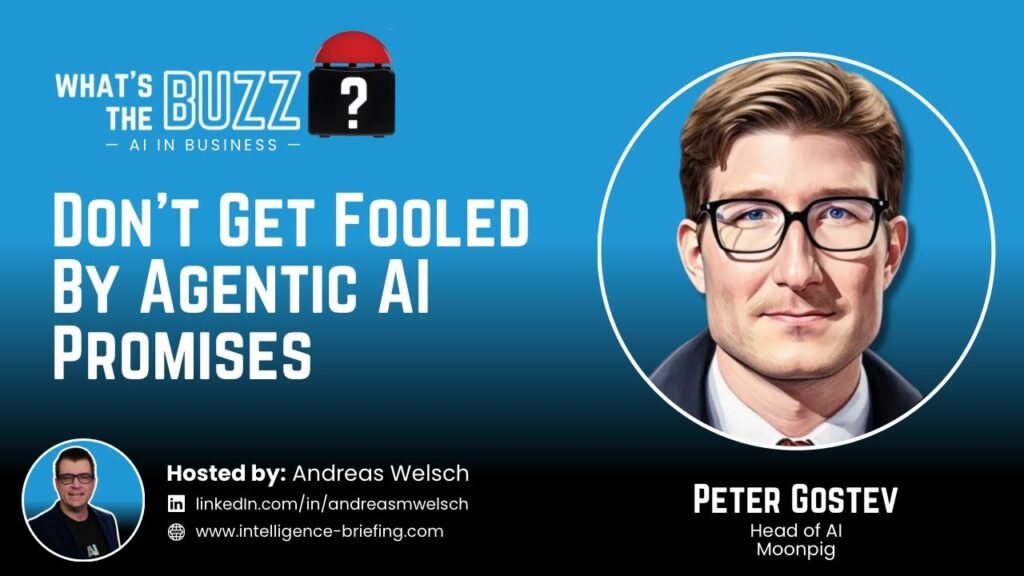
Peter Gostev, Head of AI at Moonpig, explains how to tell a truly agentic system from a workflow with AI steps, where agents work today, and why you should try the tools yourself.
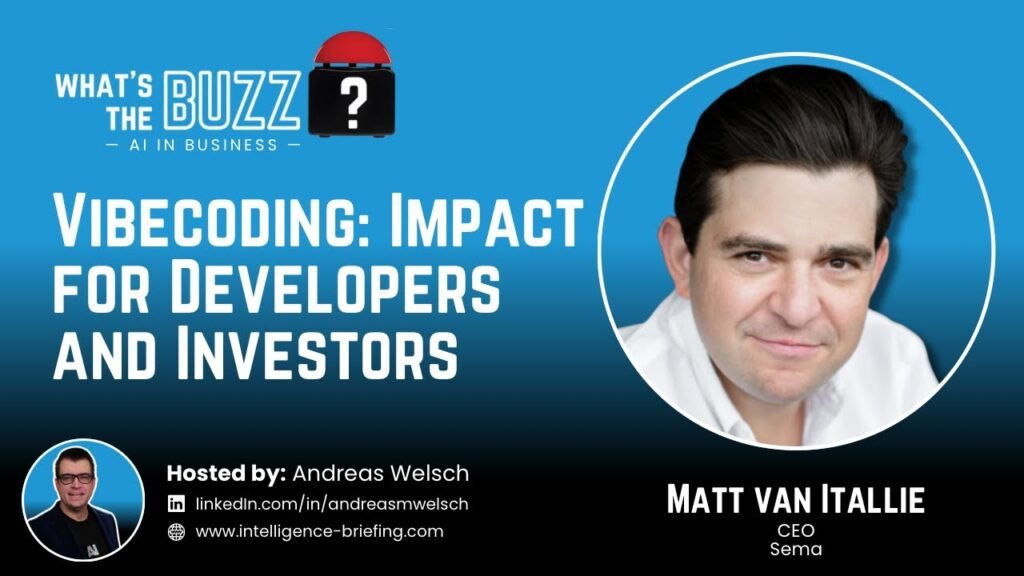
Vibe coding speeds up prototyping, but pure AI-generated code carries security, quality, copyright and exit risks for enterprise software teams.
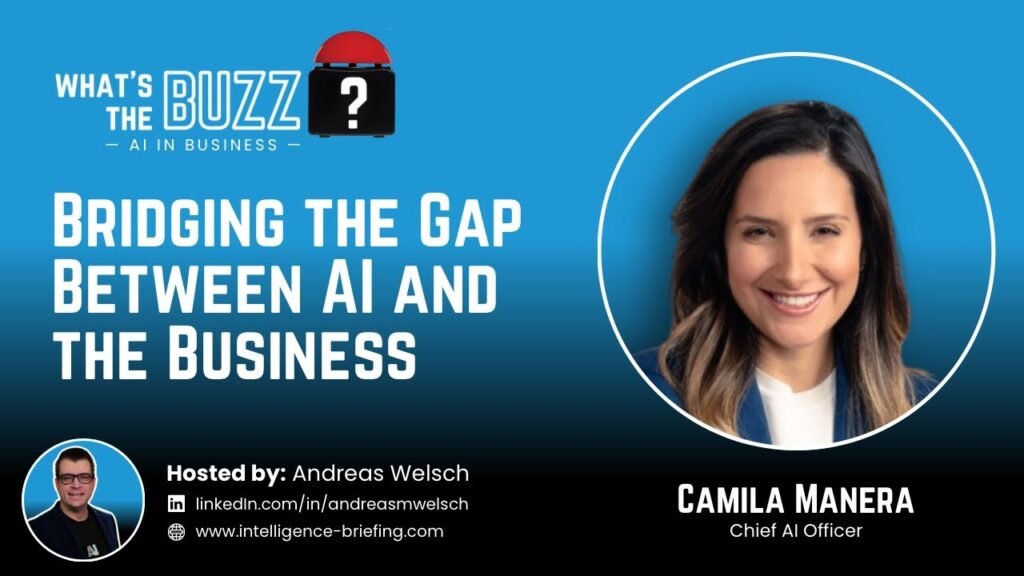
Camila Manera explains why every team needs an AI translator, why listening comes first, and how business and AI teams can work together on AI projects.
Agent demos impress, but production exposes the gaps. Three properties make AI agents enterprise ready: knowing limits, guardrails and task expertise.
Explore how AI agents differ from chatbots, who owns the agents employees build, and how leaders should train people and manage machines at work.
Build your first AI agent with a clear scope: where enterprises start, the four components agents need, and when to buy, configure or build.
Leaders face pressure to deliver AI while teams stretch thin. This episode covers layoffs, data readiness, AI agents and practical ways to prevent burnout.
Leaders can keep people at the center of an AI workplace through clear vision, management-level reskilling and metrics beyond profit and efficiency.
Enterprise leaders explain how to build AI literacy at scale, from prompting workshops and cohort learning to when an outside training partner pays off.
Citizen development puts AI building in the hands of domain experts. Ian Barkin explains the 4G framework and how IT keeps shadow AI in check.
Pick an AI agent framework by the problem it must solve, its openness and scale, and its governance and control, then test it with hands-on experiments.
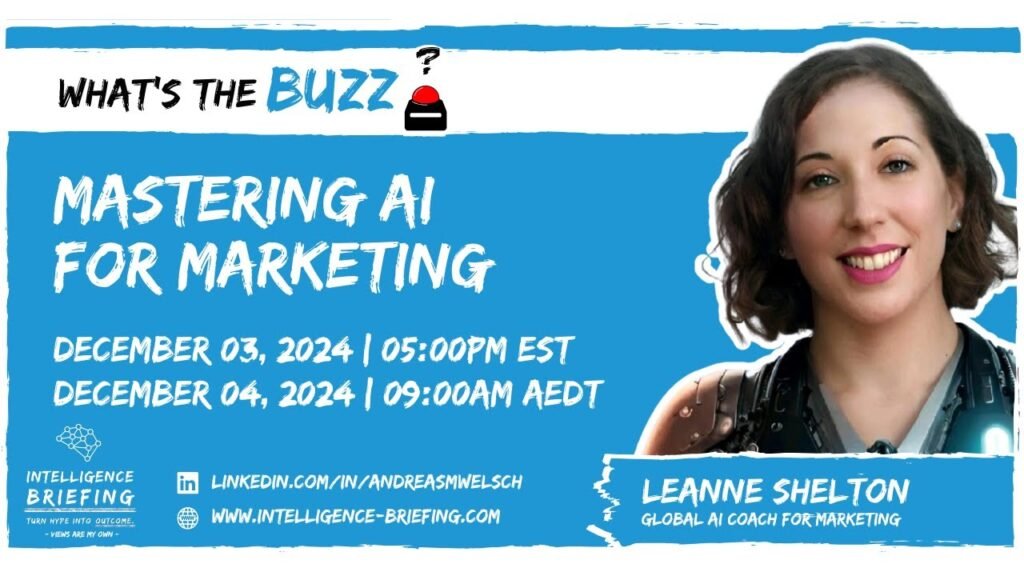
Use AI as a starting point, keep humans in control, pick one tool and train it on your brand voice so marketing content still sounds like your business.
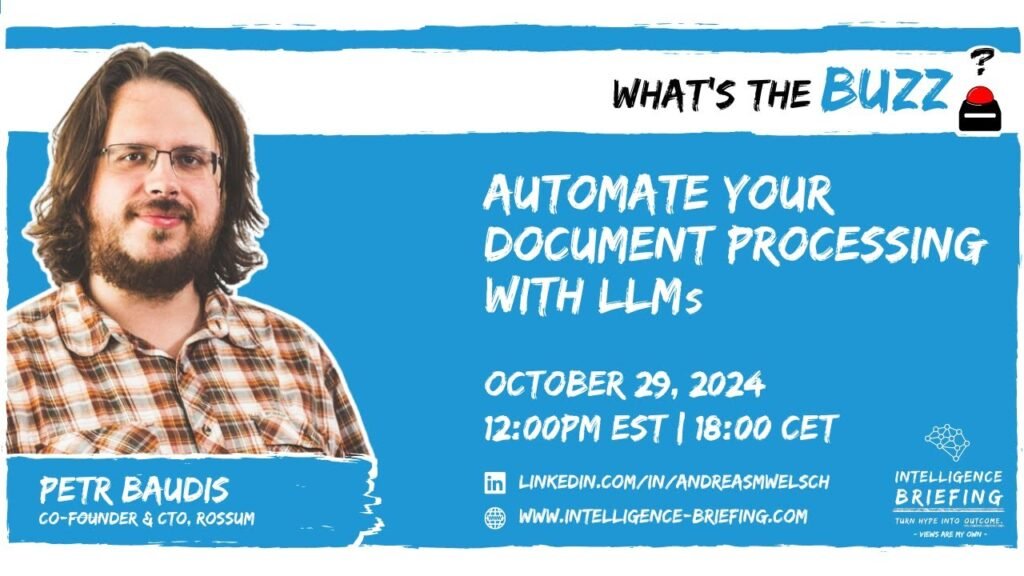
Define the use case, data volume and business process first, then pick an LLM platform that is reliable, adaptable and easy to integrate with your systems.
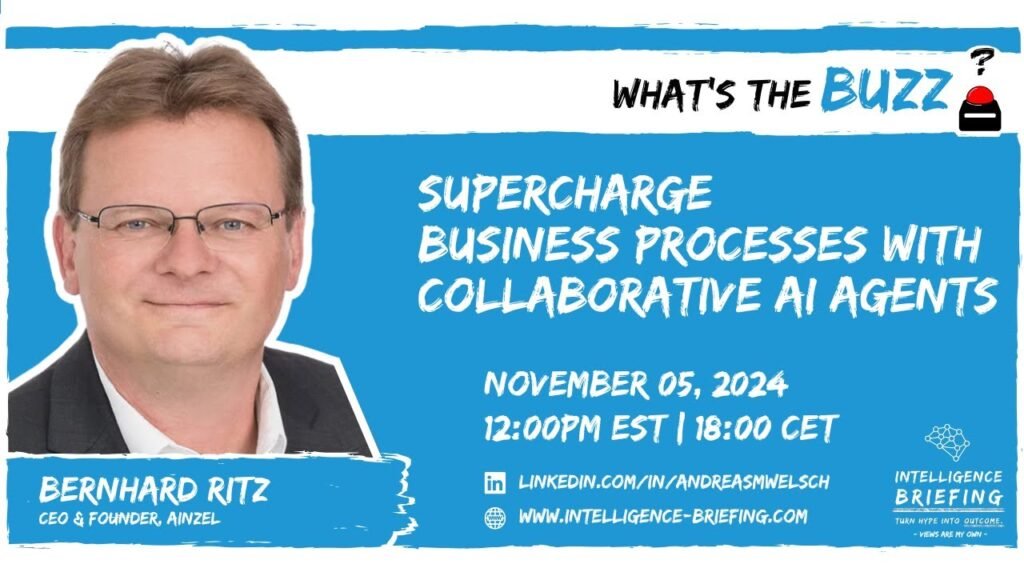
What virtual employees and collaborative AI agents mean for business processes, plus the oversight, HR and interoperability questions leaders face.
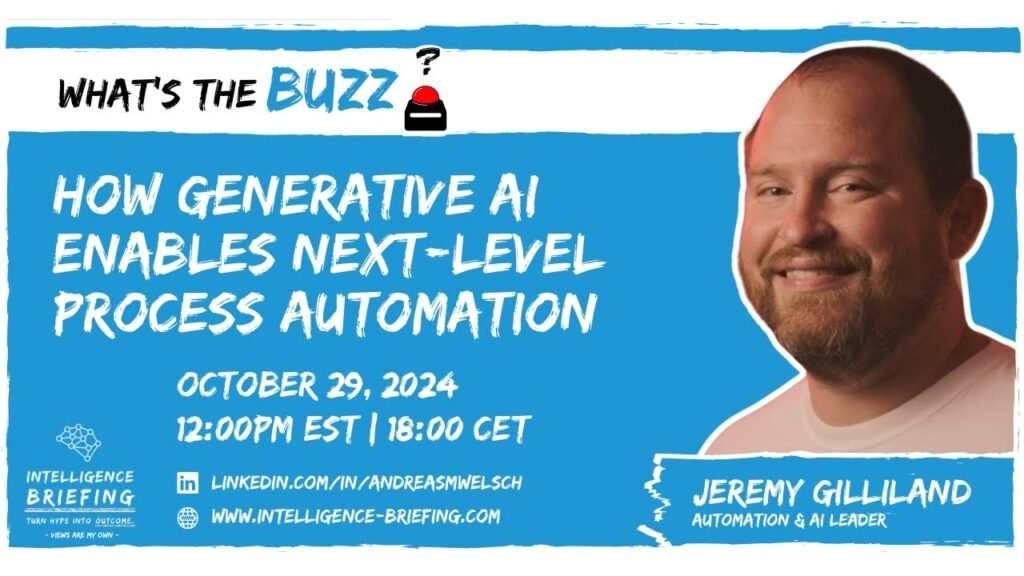
How generative AI extends RPA into new use cases, why RPA is not dead, and what automation leaders should do about traceability, value and technical lag.
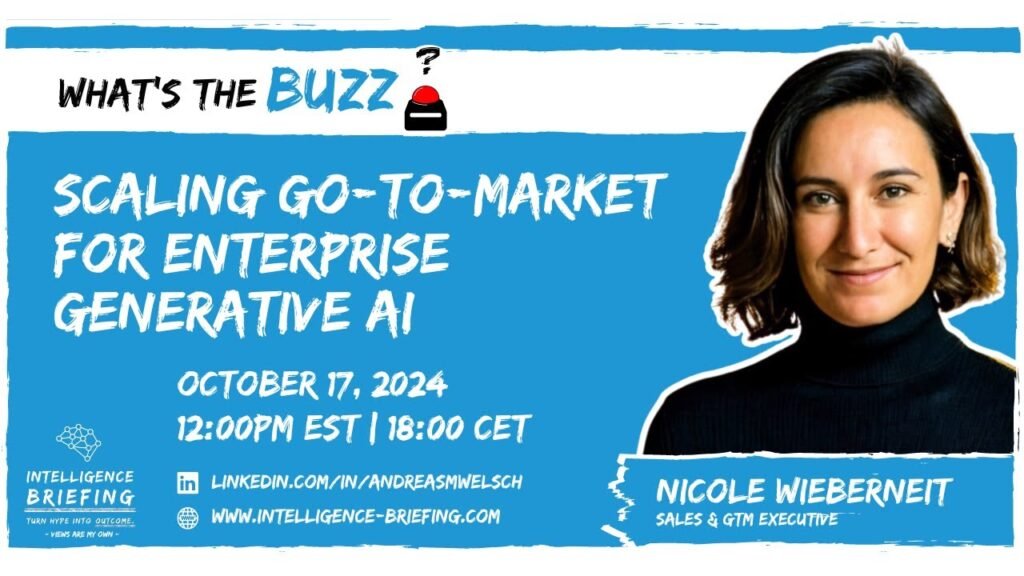
Why AI go-to-market stalls on security risk and pilot paralysis, and how a clear focus, the right buyer and overlay teams help sellers scale enterprise AI.
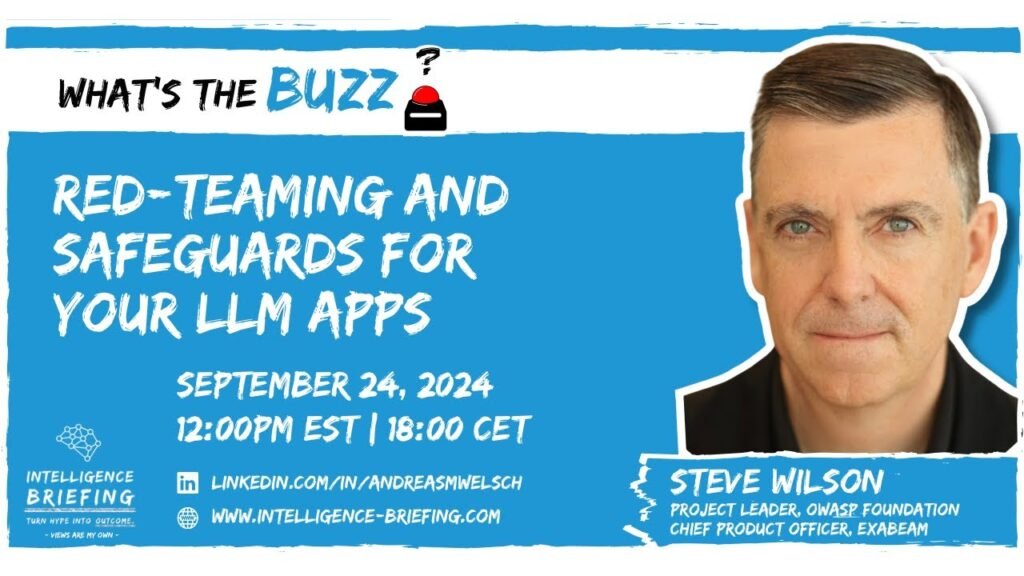
Prompt injection, supply chain risk and agents now carry real consequences. Learn how to safeguard LLM apps and where to start red-teaming them.
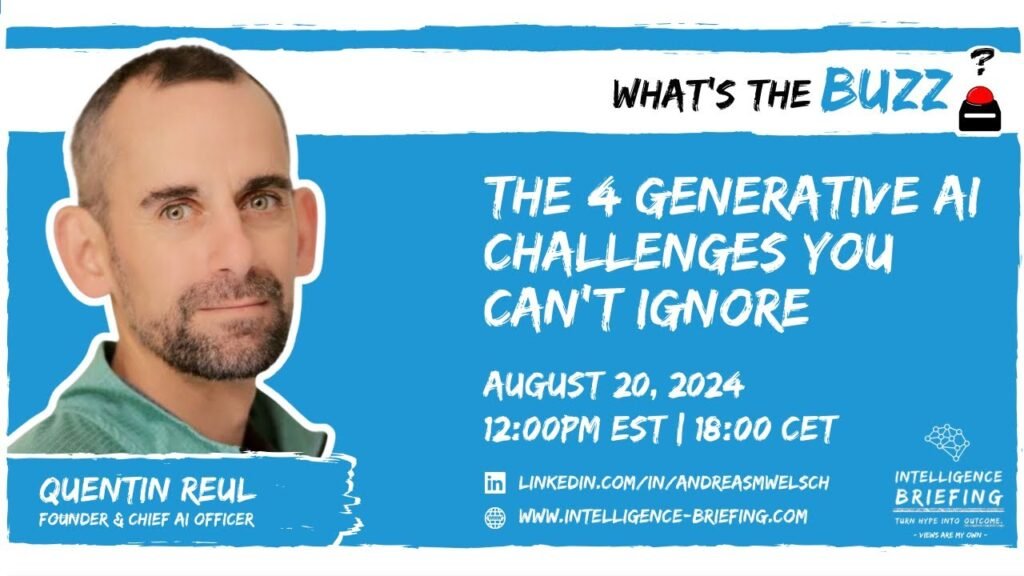
Four generative AI challenges leaders face: narrow versus general AI, testing LLM fitness, tooling choices and how your own data drives differentiation.
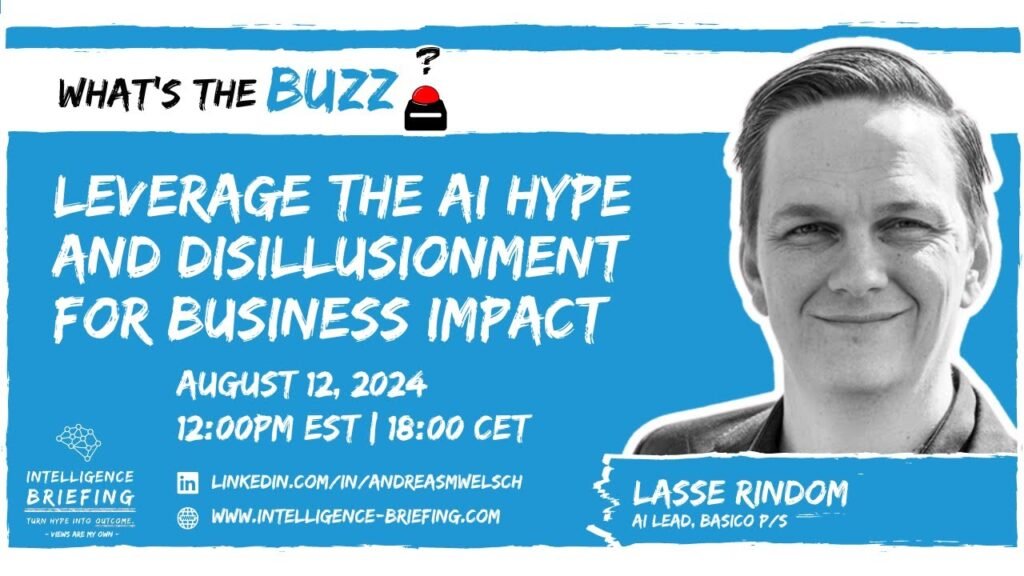
Analysts are cooling on AI. See how leaders use the gap between hype and disillusionment to drive business impact with trained people and specific AI roles
How algorithms become economic actors, why leaders should treat AI agents as digital minions, and how to bring shadow AI into the open in your teams.
Four areas where generative AI helps procurement teams, a supplier audit case with a human in the loop, and how leaders can build AI literacy now.