

The pressure on leaders to incorporate AI into their business has never been higher. Despite best efforts, 85% of AI projects fail — rarely because of technology, and almost always because of leadership. AI leadership is the practice of guiding an organization’s use of AI in ways that actually produce business outcomes, govern risk, and prepare the workforce for durable change.
This page explains what AI leadership means, the four decisions every executive has to make, and how to build AI leadership capability — from individual competency to enterprise-wide capacity.
What Is AI Leadership?
The Four Decisions Every AI-Era Leader Must Make
AI forces four specific decisions on every executive whose organization is adopting, deploying, or scaling AI. Each is a leadership decision, not a technology choice. Getting them right early is what separates organizations that ship AI from those that accumulate pilots.
1. Posture: AI-Ready or AI-First?
AI-Ready means preparing the organization to use AI effectively as the technology matures — a layered, capability-building approach. AI-First means making AI the default posture for every decision, workflow, and role — an aggressive, cultural shift. Neither is universally right. The decision depends on business context, competitive pressure, risk tolerance, and organizational maturity.
The wrong posture wastes capital and erodes internal trust. The right posture aligns investment, culture, and governance into a coherent direction that the organization can actually execute.
2. Scope: Where Can AI Act, and Where Must Humans Engage?
This is the decision most leaders postpone — and it’s the decision that most directly drives AI outcomes. Where should AI generate, recommend, or decide on its own? Where must a human remain meaningfully engaged? And where does AI-mediated access degrade the relationship or the quality that matters most?
Scope decisions determine governance requirements, workforce implications, and customer experience in the AI era. Leaders who answer this deliberately deploy AI responsibly. Leaders who let it emerge by default accumulate governance surprises.
3. Governance: How Do We Preserve Accountability as AI Takes On More Work?
Governance designed for generative AI assumes a human reviews each output before it is used. Agentic AI breaks that assumption — action happens before review. Leaders have to design new governance models: monitoring instead of review, decision ownership for AI-driven outcomes, update discipline to prevent drift, and accountability when AI outputs need to be explained to the board, regulators, or customers.
Governance is not a technology concern. It is a leadership concern that technology has to support.
4. Workforce: How Do Roles and Capability Evolve?
AI changes what jobs require, which roles are needed, and how capability is built. Some roles shrink. Some emerge. Some become more critical. Leaders who treat AI as a technology rollout produce resistance to adoption, quality decline, and workforce disruption without measurable benefits. Leaders who treat AI as a workforce transformation — with explicit capability building, role redesign, and culture work — produce durable outcomes.
The workforce decision is where most AI strategies live or die in practice.
How to use this framework: Audit your organization against these four decisions. Which have been made deliberately, and which are drifting by default? The ones drifting are your AI leadership gaps — and where targeted capability building pays the highest return.
Read the AI Leadership HandbookAI Leadership Is Not One Role — It’s a Cross-Functional Set of Decisions
Different C-suite roles bear different parts of the AI leadership responsibility. Understanding which part you own — and where you need peer alignment — is often the most overlooked step in AI adoption.
For the CEO
AI leadership at the CEO level sets the enterprise posture (AI-Ready or AI-First), secures the investment case with the board, and ensures the executive team operates from a shared AI vocabulary and strategy. Without CEO-level alignment, business-unit AI efforts fragment.
For the CIO and CTO
AI leadership at the technology level selects and sequences AI investments, designs the technology and data foundation, sets governance architecture, and translates business priorities into deliverable AI capabilities. The CIO/CTO is where AI strategy meets executable reality.
For the CHRO
AI leadership at the HR level leads workforce transformation — role redesign, capability building, change management, and culture work. AI deployments that fail most often fail here. The CHRO is where AI-era workforce strategy is won or lost.
For the Chief Learning Officer / L&D Leader
AI leadership at the L&D level builds durable AI leadership capability across the organization — not generic “AI literacy,” but tier-appropriate capability for executives, business-unit leaders, and functional owners. The CLO is the architect of how AI leadership scales from one person to an institution.
For the Chief AI Officer (where the role exists)
AI leadership at the CAIO level integrates the above — setting enterprise direction, driving deployment, governing risk, and building the AI function itself. Where the role exists, it reports high and has explicit authority over AI portfolio decisions.
Most AI initiatives that stall do so because one of these leadership layers is absent, unclear, or misaligned with the others. Building AI leadership is not about producing one more senior leader — it is about aligning the entire leadership team around the four decisions that shape AI adoption.
The Frameworks Behind Every Intelligence Briefing Engagement
Intelligence Briefing applies a defined operating model in every advisory engagement and every Certified AI Leader™ cohort. Three components shape AI leadership work at scale:
The HUMAN Agentic AI Edge Operating Model
The proprietary framework for building accountable, AI-ready teams that integrate agentic AI with human judgment without sacrificing quality or trust. Covers operating principles, role design, governance checkpoints, measurement frameworks, and the cultural shifts required to maintain quality as AI takes on more responsibility. Published in full in The HUMAN Agentic AI Edge — Andreas Welsch’s best-selling book based on interviews with 50+ AI leaders.
The 9 Steps to Successful AI Projects
A structured methodology for moving AI initiatives from pilot to production with measurable business outcomes. Addresses the upstream leadership decisions that determine AI project success — clear business problem framing, executive sponsorship, data readiness, workforce capability, governance controls, and outcome measurement — before technology choices are made.
AI-Ready vs. AI-First Leadership
A decision framework for choosing the right AI adoption posture based on business context and organizational maturity. Used in executive alignment workshops and in the Certified AI Leader™ Program’s Strategist and Visionary tiers.
Together, these three frameworks form the backbone of every Intelligence Briefing engagement—through discovery, strategy, and ongoing advisory—and are taught as applied practice in the Certified AI Leader™ Program.
Recent Articles on AI Leadership
-
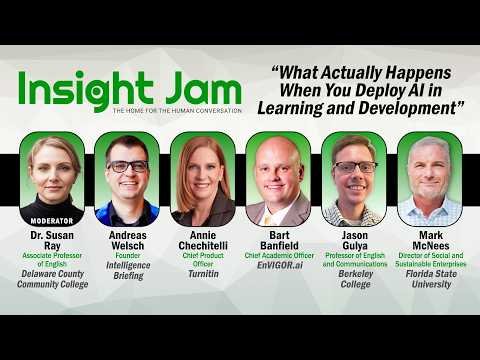
How Real AI Deployments Change Learning and Development Organizations
Discover what shifts first in AI deployment: upskilling, governance, champions, and workflow redesign that…
-
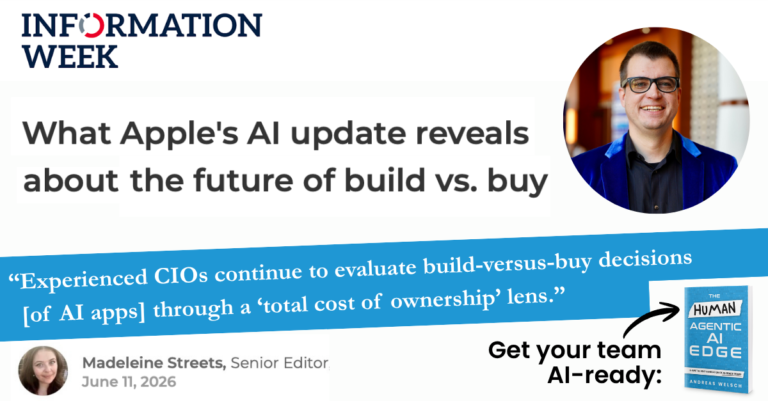
What CIOs Can Learn from Apple’s AI Build-vs-Buy Decision
Apple’s Gemini-for-Siri move spotlights build vs buy. Guidance on AI leadership, total cost of…
-

How to Prevent AI Workslop and Retain Human Judgment
Navigate agentic AI with practical AI leadership: avoid workslop, improve adoption training, manage token…
-
AI Leadership: Finance Data, Tokens, Metacognition
Explore leadership risks and governance lessons from AI in personal finance, token maxing metrics,…
-
AI Leadership for Agentic AI and Workforce Change
AI leadership is increasingly defined by a single reality: technology is often the easy…
-

AI Leadership: Never Off the Hook for Doing Great Work
Navigate AI workslop, agentic AI governance, and workforce transformation with an executive-ready view of…
-
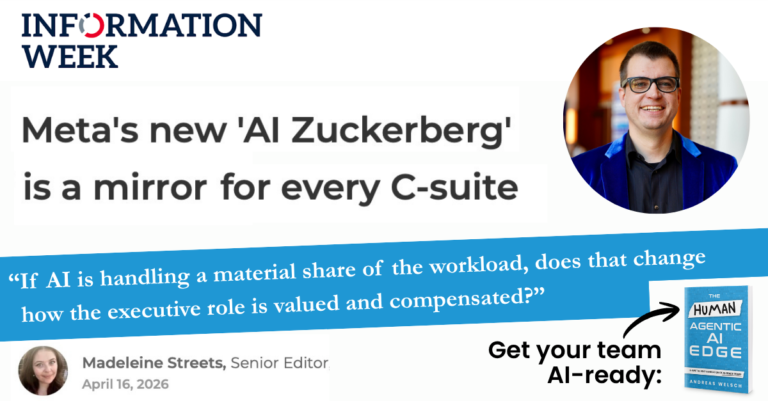
AI Leadership in the Age of Executive Digital Twins: What “AI Zuckerberg” Signals for the C-Suite
Assess what “AI Zuckerberg” signals for AI leadership: digital twins, drift risk, trust impacts,…
-

Why Governance Is Critical For AI Innovation
Build AI governance that accelerates adoption without chaos. Key lessons on policy, training, measurement,…
-
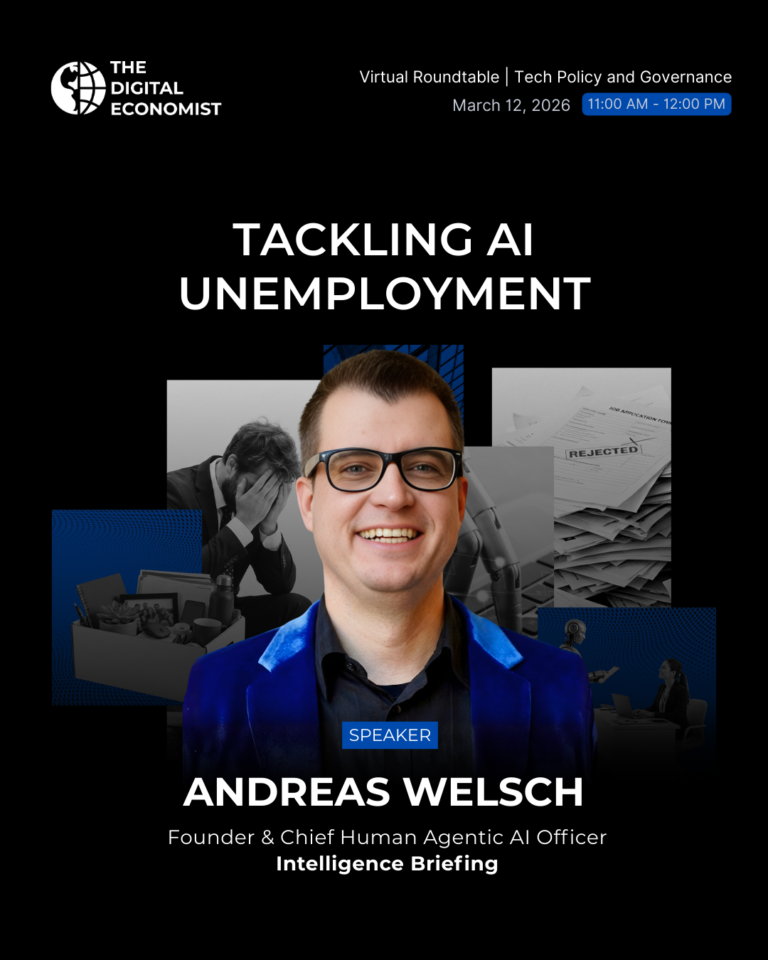
The Future of Entry-Level Talent with AI
AI leadership reshapes entry-level roles, talent benches, and responsible adoption beyond layoffs and automation…
-

Creating Authentic Thought Leadership In The Age Of AI
Practical guidance on creating authentic thought leadership, and what AI means for executive content.
-

Avoiding “AI Workslop” and Designing Accountable Work
Avoid AI work slop by redesigning work, decision rights, and governance as agentic AI…
-
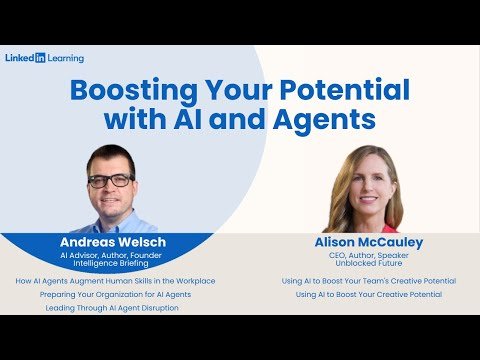
AI Leadership: How Executives Boost Potential With AI (Without Workslop)
Boost AI outcomes beyond email drafts by preventing AI workslop, building champions networks, and…
-
AI Leadership in the Age of Agentic AI: Governance, Upskilling, and Better Workflows
Executive guidance on AI leadership: governance, upskilling, preventing AI workslop, and deploying agentic workflows…
-
AI Leadership in Practice: Governance, “AI Slop,” and What Comes Next
Learn practical AI leadership tactics: lightweight governance, preventing AI slop, managing tool sprawl, and…
-
AI Leadership: How to Run Successful AI Projects Without Overspending
Navigate AI hype with KPI alignment, lightweight governance, iterative delivery, and workforce upskilling to…
From AI Leadership Theory to Executive Practice
Reading about AI leadership is the start. Practicing AI leadership — making the four decisions inside a real organization with real politics and real consequences — is the work. Intelligence Briefing supports leaders at every stage of that work.
Read the Handbook
AI Leadership Handbook is Andreas Welsch’s first best-selling book — a practical guide for introducing AI into your organization, aligning AI with business strategy, turning employees into AI multipliers, and keeping humans at the center of AI use. Based on interviews with 60+ AI leaders and experts.
Read the AI Leadership HandbookBuild Leadership Capability
The Certified AI Leader™ Program is a four-tier curriculum (AI Explorer, AI Strategist, AI Innovator, AI Visionary) that builds AI leadership capability across your organization — from first-line managers through the C-suite. Every cohort includes a capstone project applied to a real business problem.
Explore the Certified AI Leader ProgramGet Senior-Level Advisory
AI Advisory Services help enterprise leaders make and execute the four AI leadership decisions — assessing readiness, setting posture, designing governance, and sequencing workforce transformation. Advised by 2x best-selling AI author Andreas Welsch with frameworks proven at Fortune 500 scale.
Book an AI Leadership Discovery CallBring Andreas to Your Event
Keynotes and executive panels on AI leadership, agentic AI, and the workforce shifts AI is producing. Past audiences include Fortune 500 executive teams, industry conferences, and corporate leadership events.
Inquire About Speaking