


How to Bring AI Into the Business Without the Hype
Bring AI into the business by starting with strategy and measurable goals, designing pilots to scale, fixing data foundations, and governing generative AI.
Bring AI into the business by starting with strategy and measurable goals, designing pilots to scale, fixing data foundations, and governing generative AI.
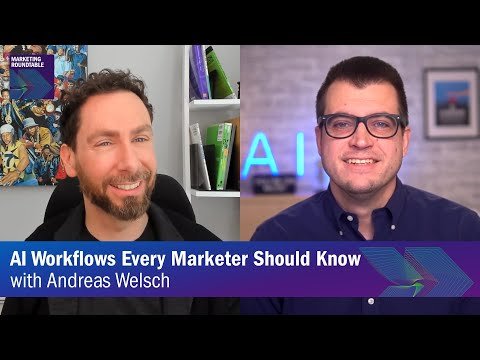
AI adoption in marketing needs guardrails, not bans: approve tools, keep sensitive data out, normalize transparent use and start with content repurposing.
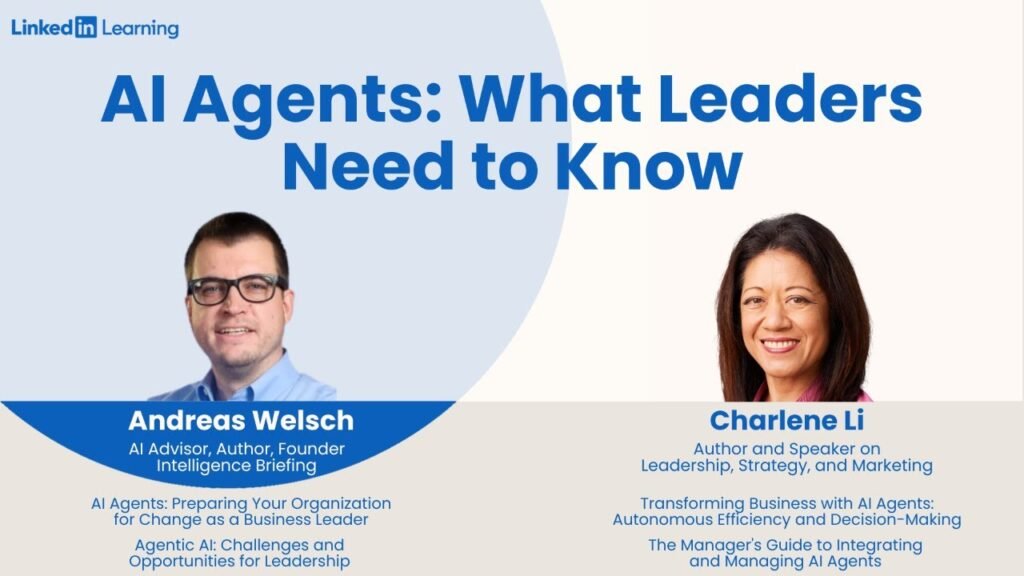
Agentic AI vs automation: how to test vendor agent claims, start with business problems, decide build vs buy, and bring employees along with transparency.
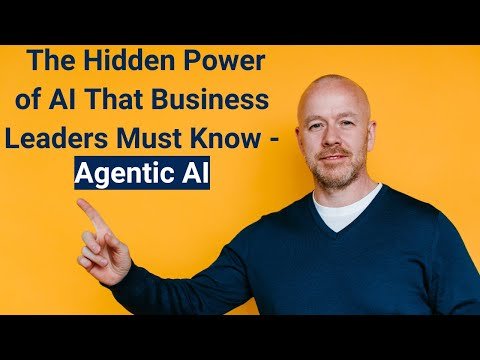
Scale GenAI beyond pilots by aligning AI adoption to strategy, measurable KPIs, and governance—plus how agentic AI changes team and decision design.
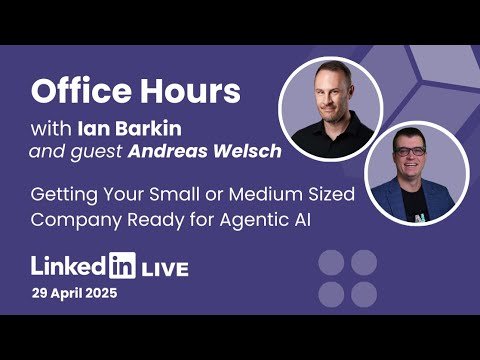
Agentic AI adoption guide for executives: what AI agents are, how they differ from RPA and chatbots, and how leaders test vendors and measure readiness.

Don’t outsource your thinking to AI. Start with business goals and KPIs, map processes, test ROI, and set quality standards so teams apply judgment.
AI fatigue grows when leaders chase headlines. Start with business strategy, fix data readiness and access controls, and make employee AI use visible.
Build AI literacy through social blended learning, give the chief AI officer cross-functional reach, and govern AI agents with shared values and HR input.

Goal-oriented agentic AI breaks a goal into sub-goals and acts on them. See how to test vendor claims, start with customer service, and tie agents to KPIs.

Drive AI results by starting with KPIs like NPS, working backward to use cases, and scaling trust through communities of practice and responsible AI.
Practical AI adoption means aligning AI to business goals, training people to judge output quality, and setting guardrails for agentic AI alongside RPA.

RPA and agentic AI work best together: RPA runs repeatable UI steps where APIs are missing, agents handle uncertainty, and leaders start with the problem.
Build an AI learning culture: start with business problems, give employees a safe path to approved AI tools, and scale training with AI champions.
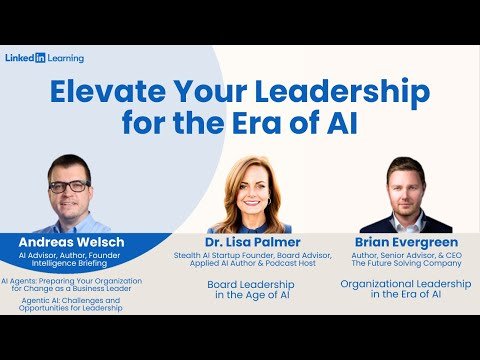
Autonomous transformation means giving AI goals, not instructions. How leaders build AI literacy, human-in-the-loop workflows, and communities of practice.
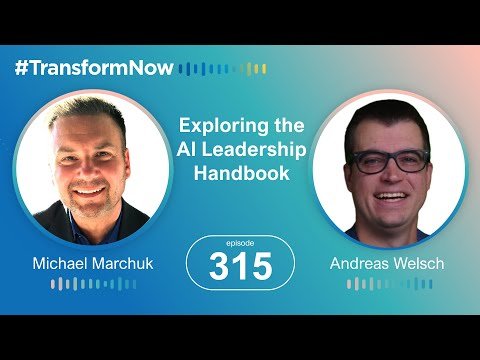
Prioritize AI use cases by starting with business goals and frontline insight, then build trust in AI outputs and prepare teams for agentic AI coworkers.
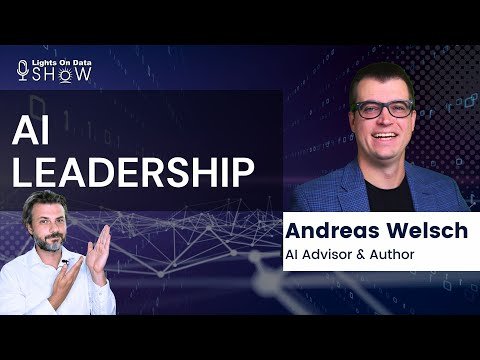
Turn technology hype into business outcomes: define value upfront, involve data teams early, pair sponsorship with frontline ideas, and lead change openly.

A community of multipliers spreads AI trust and literacy across business functions and feeds real needs back to AI teams, tying AI to business value.

An AI adoption strategy for leaders starts with KPIs, not tools. See how to choose an AI leader, enable every function and embed governance from the start.

Turning AI into business value starts with leadership: find where the value is, align departments, build employee confidence, then choose the technology.

Understand how human data, bias, and review loops shape generative AI outcomes—and what leaders can do via CoEs, scaling, and upskilling.

AI change management works when leaders keep people at the center: address fear openly, protect time for upskilling, and define acceptable use of AI.

AI adoption in the enterprise starts with business value, clean data and trust, then grows from quick-win automation to AI across end-to-end processes.

Get value from generative AI by starting with a business problem, piloting one use case, and governing hallucinations, data privacy, and model changes.

Generative AI risks include unclear IP ownership and convincing but wrong outputs. Start from business needs, keep a human in the loop and try the tools.

Build trust in AI by tying adoption to measurable KPIs, making outputs explainable, involving stakeholders early and treating privacy as a boundary.

Build an AI strategy aligned to business goals, manage LLM reliability, and enable adoption with training and stakeholder communities.

Navigate enterprise generative AI with governance, workflow design, and agentic AI readiness—without sacrificing trust in mission-critical processes.
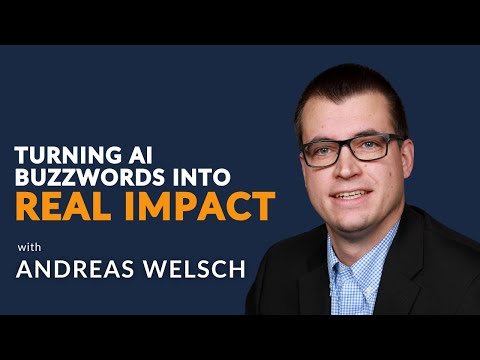
The leadership triangle of empathy, vision, and execution helps AI leaders pair domain and AI experts, drop buzzwords, and automate only for real value.

An AI mindset means knowing what AI can do, that it starts with data, and when rules or RPA fit better. Covers ERP data, sponsorship and AI communities.