


How AI Leaders Really Approach Agentic AI Automation
Automation leaders keep deterministic automation as the backbone, use agentic AI only where rules fall short, and agree governance before agents ship.
Automation leaders keep deterministic automation as the backbone, use agentic AI only where rules fall short, and agree governance before agents ship.
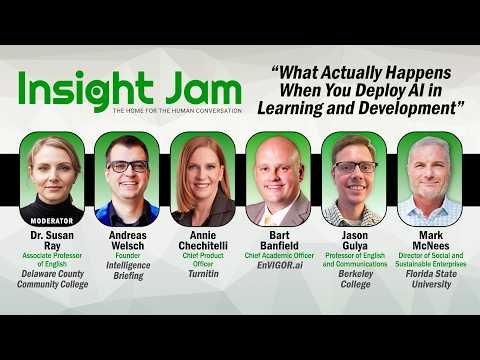
AI in learning and development needs more than tool access: hands-on upskilling, persona-based AI literacy, champions, and lightweight governance.

Apple’s Gemini-for-Siri move spotlights build vs buy. Guidance on AI leadership, total cost of ownership, governance, and workforce needs.

Prevent AI workslop by requiring refinement before escalation, training by role, capping token costs, and keeping people accountable for what AI produces.

tokenmaxxing rewards AI usage, not outcomes. Why token leaderboards backfire, how metacognition protects judgment, and what controls curb vibe coding debt.

Agentic AI for the workforce is a people and process change. Start with strategy and KPIs, measure business impact, train teams, protect talent pipelines.

AI speeds up drafting, not responsibility for AI output. How leaders curb workslop, protect the talent bench, and govern agentic AI as digital employees.
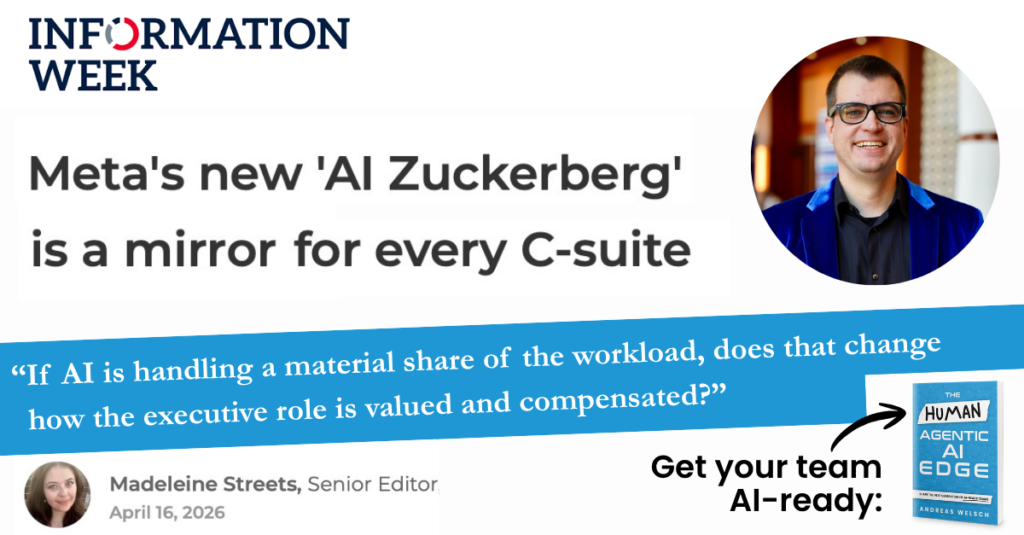
An executive digital twin can save leaders time and improve proposals, but it brings drift, trust and knowledge-ownership risks the C-suite must govern.

Build AI governance that accelerates adoption without chaos. Key lessons on policy, training, measurement, and vendor selection from an executive panel.
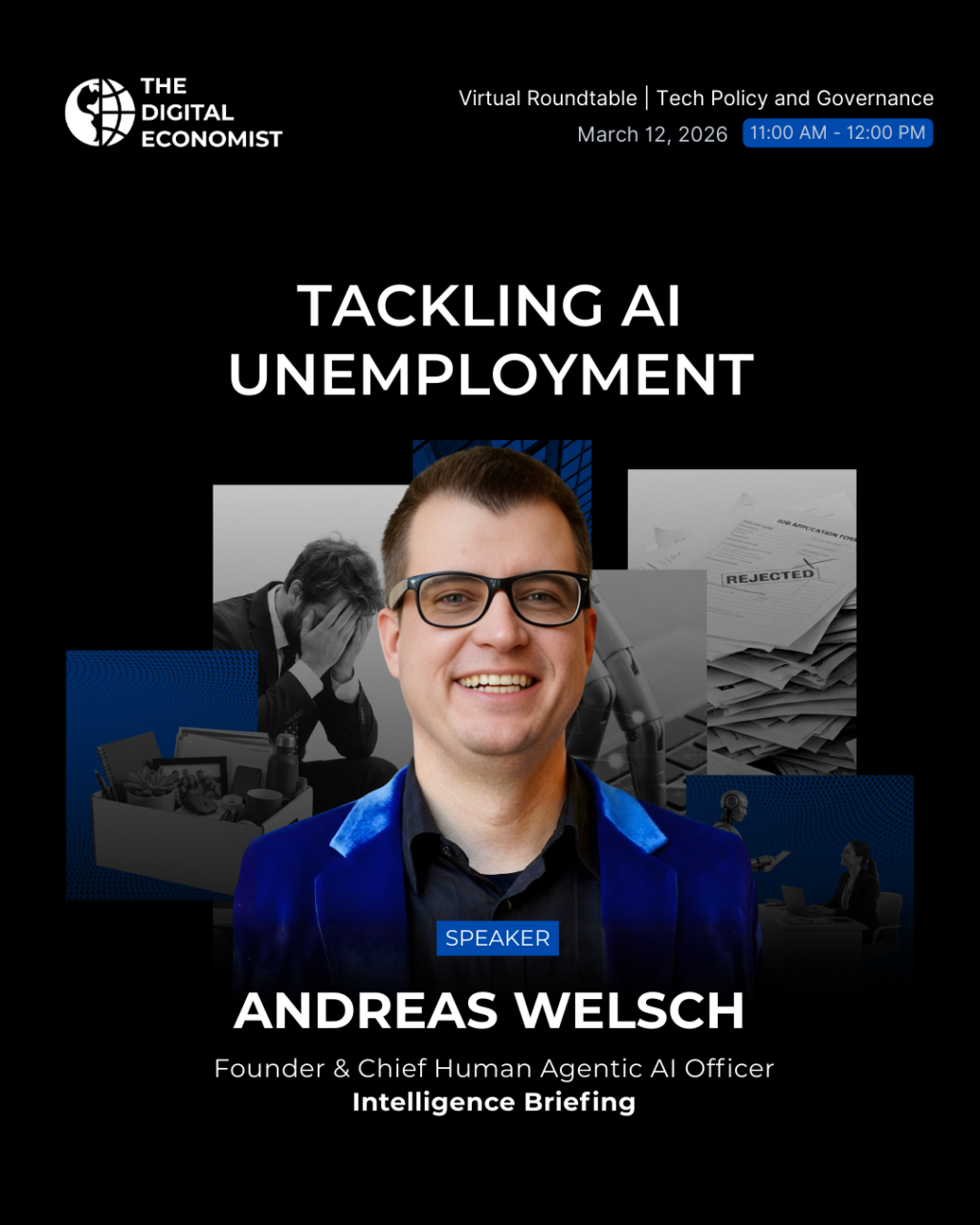
AI and entry-level jobs: why cutting junior roles weakens succession, how entry-level work shifts toward synthesis, and how leaders avoid never-skilling.

Authentic thought leadership in the age of AI: add a real point of view, use AI as an editor, not an author, and keep human judgment and accountability.

AI workslop shifts review onto leaders. Prevent it with clear decision rights, accountability for AI output, and hands-on training that protects quality.
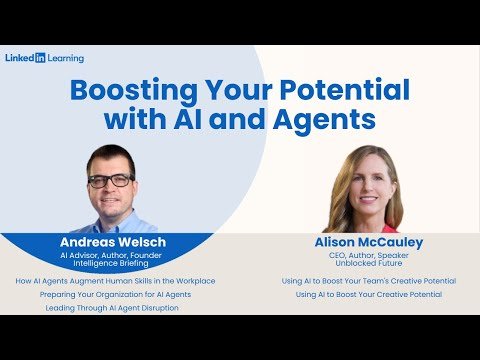
Boost human potential with AI by moving past Copilot rollouts: start with business problems, use existing vendor AI features, and scale with champions.
How leaders adopt agentic AI responsibly: clear AI ownership, secure tools, guardrails for citizen developers, and upskilling that prevents AI workslop.

Lightweight AI governance keeps AI slop and shadow AI in check: a fast intake process, one quality bar for all work, and human accountability for AI work.
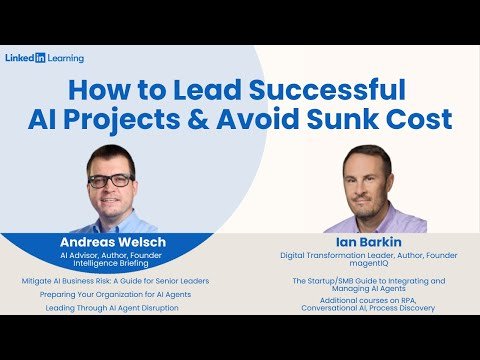
Run successful AI projects by tying each one to a KPI, expecting iterative cycles, reviewing progress monthly, and using lightweight governance on spend.
AI in project management shifts work from gathering status to review and decisions. Why teams hide AI use, and how leaders set quality and accountability.

Bring AI into the business by starting with strategy and measurable goals, designing pilots to scale, fixing data foundations, and governing generative AI.
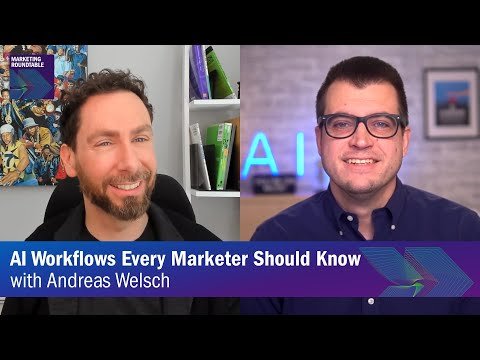
AI adoption in marketing needs guardrails, not bans: approve tools, keep sensitive data out, normalize transparent use and start with content repurposing.
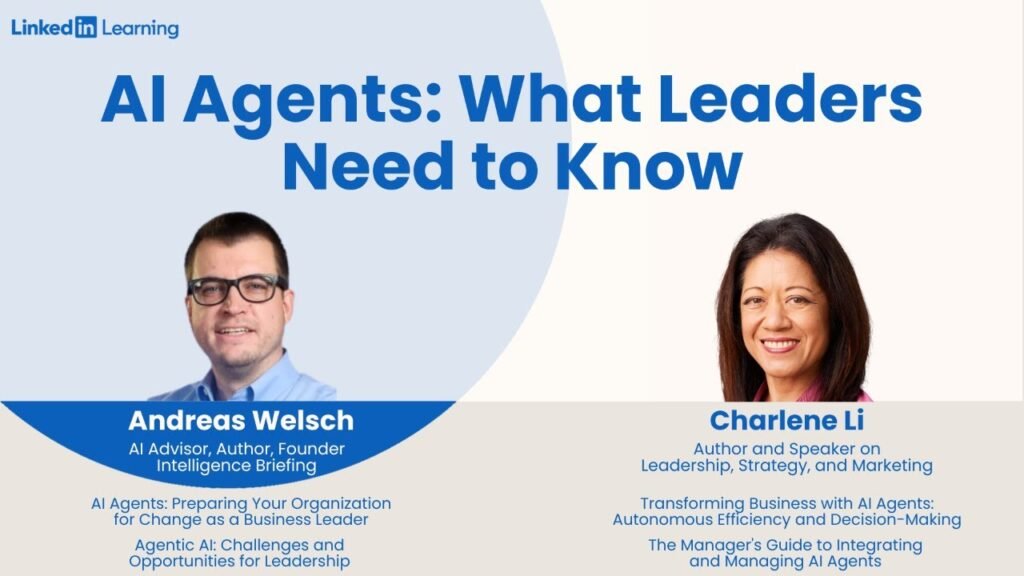
Agentic AI vs automation: how to test vendor agent claims, start with business problems, decide build vs buy, and bring employees along with transparency.

Scale GenAI beyond pilots by aligning AI adoption to strategy, measurable KPIs, and governance—plus how agentic AI changes team and decision design.
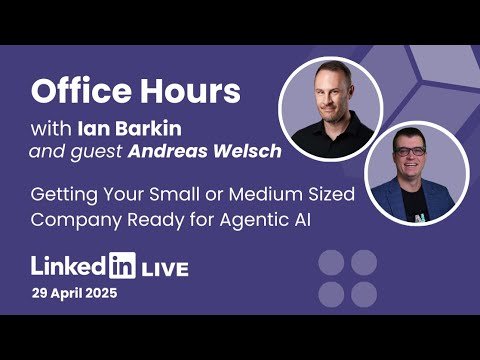
Agentic AI adoption guide for executives: what AI agents are, how they differ from RPA and chatbots, and how leaders test vendors and measure readiness.

Don’t outsource your thinking to AI. Start with business goals and KPIs, map processes, test ROI, and set quality standards so teams apply judgment.

AI fatigue grows when leaders chase headlines. Start with business strategy, fix data readiness and access controls, and make employee AI use visible.

Prompt engineering training that scales: start with a Community of Multipliers, pilot in one area, match formats to maturity, and cover RAG and security.

AI ROI stays hard to prove without baselines and governance. Assess value before building, review progress on a cadence, and stop what does not deliver.
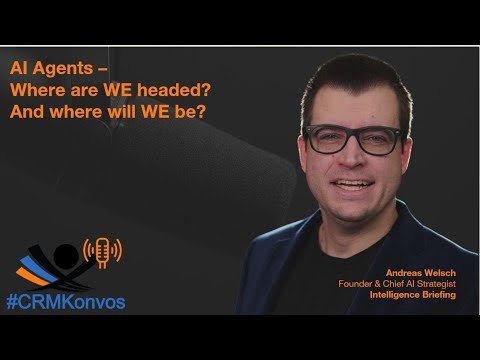
Practical AI adoption means aligning AI to business goals, training people to judge output quality, and setting guardrails for agentic AI alongside RPA.

Drive AI results by starting with KPIs like NPS, working backward to use cases, and scaling trust through communities of practice and responsible AI.

RPA and agentic AI work best together: RPA runs repeatable UI steps where APIs are missing, agents handle uncertainty, and leaders start with the problem.
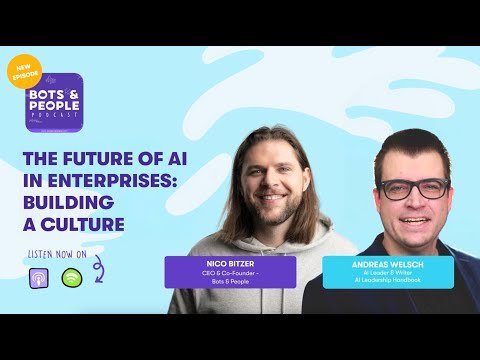
Build an AI learning culture: start with business problems, give employees a safe path to approved AI tools, and scale training with AI champions.