


AI for Small Business: Where to Start and How to Test Your Automation
See where small businesses should start with AI, which tasks to automate, how to test safely before roll-out, and which metrics show real business impact.
See where small businesses should start with AI, which tasks to automate, how to test safely before roll-out, and which metrics show real business impact.
Explore why enterprise AI adoption succeeds only after leaders build AI readiness, tackle shadow AI risk, and invest in workforce upskilling.

Andreas Welsch offers practical guidance on AI governance guardrails, upskilling, and moving beyond pilot purgatory.

Measure AI adoption by outcomes, not prompts or logins. What leaders must fix in the prove-it phase: clarity, upskilling, workflows, and accountability.
AI skepticism at work persists even as more employees use AI. Why uneven utilization matters, and how training and visibility help leaders manage adoption.
Human in the loop vs on the loop for agentic AI: match oversight to risk, treat agents as digital employees and as software, and apply the four A’s.

Agentic AI is moving beyond proof-of-concept pilots into operational deployments.
Setting up your organization’s AI task force follows best practices for leadership, metrics, governance, and how to scale AI adoption successfully.
The GenAI divide is the gap between deploying AI and real outcomes. Cross it by prioritizing few use cases, applying GenAI in context and stopping early.
An AI roadmap turns adoption strategy into phases: prioritize use cases with owners and KPIs, set governance early, reskill teams, then pilot and scale.
How leaders adopt agentic AI responsibly: clear AI ownership, secure tools, guardrails for citizen developers, and upskilling that prevents AI workslop.

What is Agentic AI really, how to avoid agent washing, and how can leaders govern adoption, prevent AI slop, and drive measurable impact.
AI in project management shifts work from gathering status to review and decisions. Why teams hide AI use, and how leaders set quality and accountability.

AI productivity only counts when it moves KPIs: test vendor claims, measure outcomes over minutes, and put people, data and governance first.

Bring AI into the business by starting with strategy and measurable goals, designing pilots to scale, fixing data foundations, and governing generative AI.
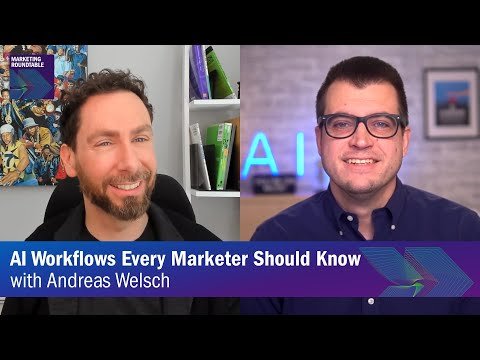
AI adoption in marketing needs guardrails, not bans: approve tools, keep sensitive data out, normalize transparent use and start with content repurposing.
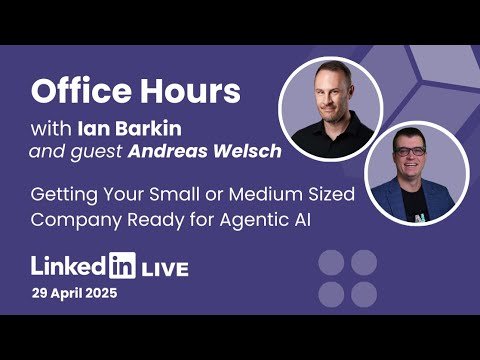
Agentic AI adoption guide for executives: what AI agents are, how they differ from RPA and chatbots, and how leaders test vendors and measure readiness.
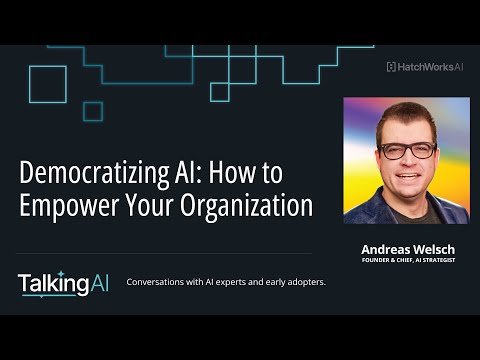
Build AI literacy through social blended learning, give the chief AI officer cross-functional reach, and govern AI agents with shared values and HR input.

RPA and agentic AI work best together: RPA runs repeatable UI steps where APIs are missing, agents handle uncertainty, and leaders start with the problem.
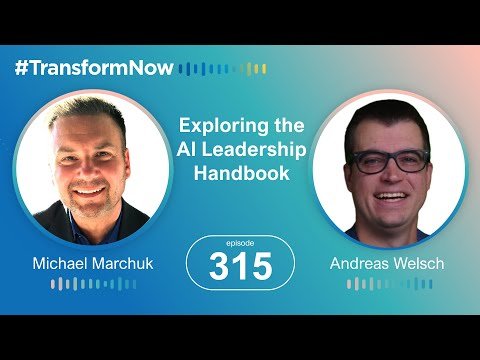
Prioritize AI use cases by starting with business goals and frontline insight, then build trust in AI outputs and prepare teams for agentic AI coworkers.

An AI adoption strategy for leaders starts with KPIs, not tools. See how to choose an AI leader, enable every function and embed governance from the start.

Turning AI into business value starts with leadership: find where the value is, align departments, build employee confidence, then choose the technology.
AI change management works when leaders keep people at the center: address fear openly, protect time for upskilling, and define acceptable use of AI.

AI adoption in the enterprise starts with business value, clean data and trust, then grows from quick-win automation to AI across end-to-end processes.

Get value from generative AI by starting with a business problem, piloting one use case, and governing hallucinations, data privacy, and model changes.
Generative AI risks include unclear IP ownership and convincing but wrong outputs. Start from business needs, keep a human in the loop and try the tools.
Build trust in AI by tying adoption to measurable KPIs, making outputs explainable, involving stakeholders early and treating privacy as a boundary.

An AI mindset means knowing what AI can do, that it starts with data, and when rules or RPA fit better. Covers ERP data, sponsorship and AI communities.