

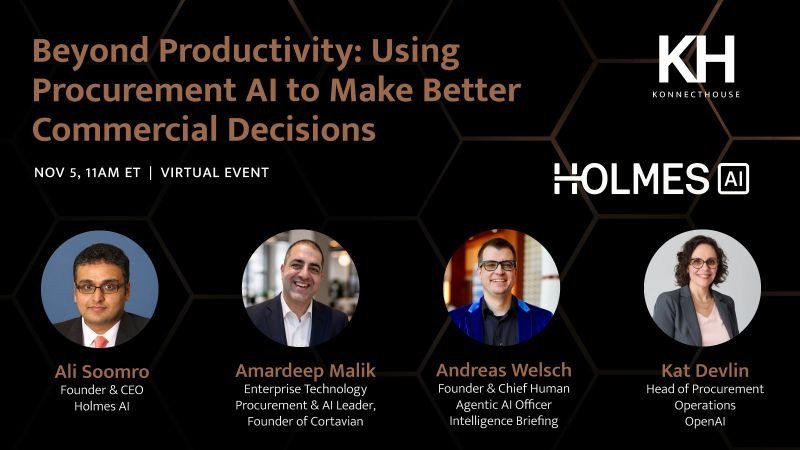
Procurement AI: From Productivity to Better Decisions
Learn how procurement AI can improve commercial decisions on cost, supplier risk and negotiation, beyond task automation and productivity.
Learn how procurement AI can improve commercial decisions on cost, supplier risk and negotiation, beyond task automation and productivity.

Personal AI agents are starting to shop, reorder and file complaints for customers. See what that means for CX volume, security and discoverability.
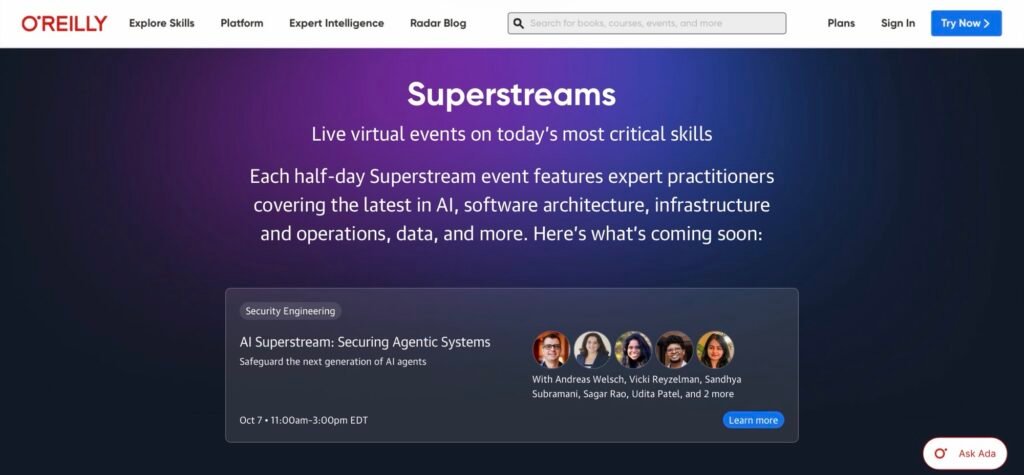
Six speakers at an O’Reilly AI Superstream laid out layered controls, runtime steering and agent mandates for securing agentic AI and agentic commerce.

Agentic commerce infrastructure comes down to four questions: discoverability to AI agents, agent authentication, liability for mistakes, and fulfillment.

SAP agentic AI adoption starts with a KPI-led pilot, pre-built Joule capabilities, trust controls for master data, and transparent workforce change.
Agentic AI pilots create value when leaders redesign workflows first, govern risk as autonomy scales, address workforce fear and choose build vs buy well.
An agentic AI operating model sets approved tools, data access, oversight and accountability, so AI-first mandates do not create shadow AI or AI workslop.

Nvidia AI tokens fund agent usage, but most AI projects have failed since 2018. See the governance and workflow changes that decide whether agents pay off.
Agentic AI for process excellence needs clear roles, rules, ownership and escalation thresholds, or agents speed up tasks while adding rework.
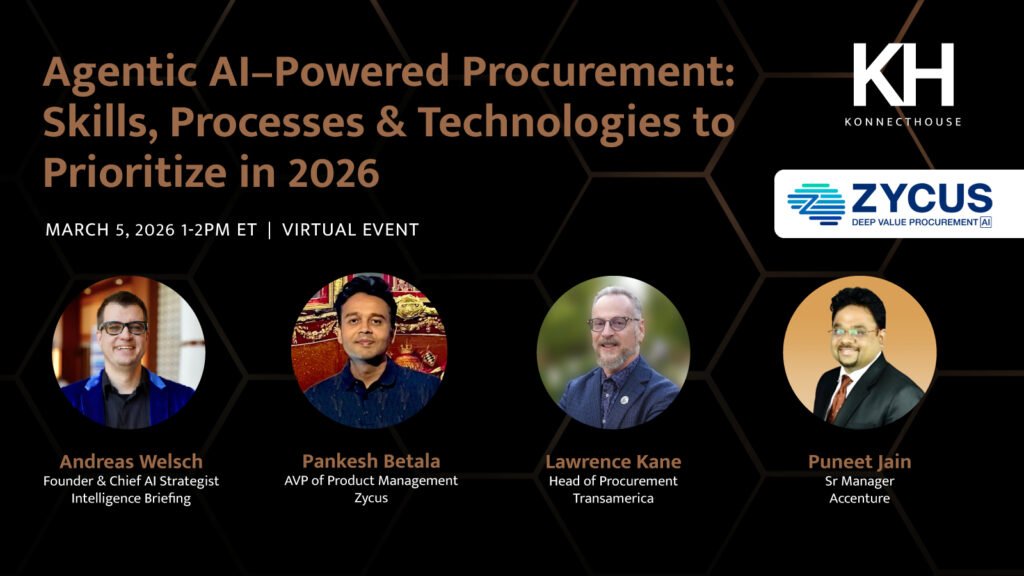
Agentic AI in procurement: start with the business problem, fund data readiness, match autonomy to risk and upskill teams. See which workflows are ready.

Andreas Welsch explains how agentic AI reshapes Enterprise SaaS: disruption risk, outcome-based pricing, governance, traceability, and workforce shifts.

AI workslop shifts review onto leaders. Prevent it with clear decision rights, accountability for AI output, and hands-on training that protects quality.
Deploying AI agents: sort use cases into three risk tiers, write agent role descriptions, keep human reviewers accountable and pilot vendor agents first.
Human in the loop vs on the loop for agentic AI: match oversight to risk, treat agents as digital employees and as software, and apply the four A’s.

Agentic AI is moving beyond proof-of-concept pilots into operational deployments.
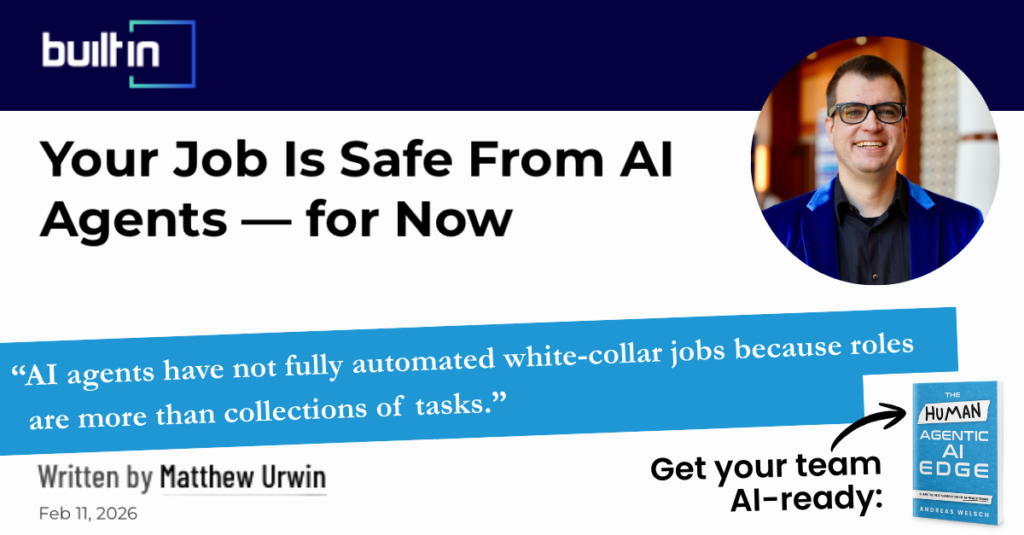
AI agents in the workplace answered at most 25 percent of APEX-Agents prompts correctly. What data quality, rework and role design mean for leaders.
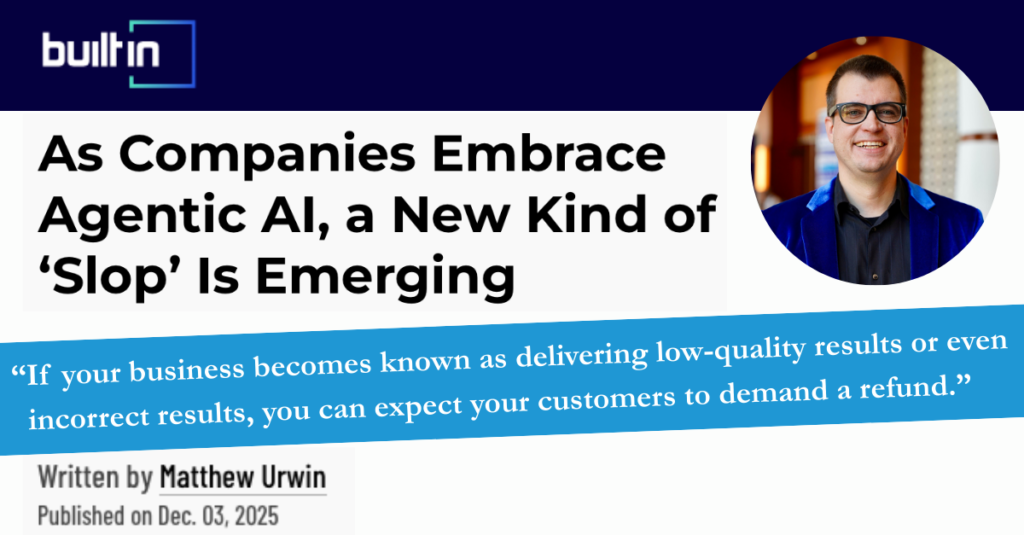
Agent slop is low-quality work from poorly designed AI agents. See how agentic AI governance, training, strategy, culture and orchestration prevent it.
How leaders adopt agentic AI responsibly: clear AI ownership, secure tools, guardrails for citizen developers, and upskilling that prevents AI workslop.
Lightweight AI governance keeps AI slop and shadow AI in check: a fast intake process, one quality bar for all work, and human accountability for AI work.

What is Agentic AI really, how to avoid agent washing, and how can leaders govern adoption, prevent AI slop, and drive measurable impact.
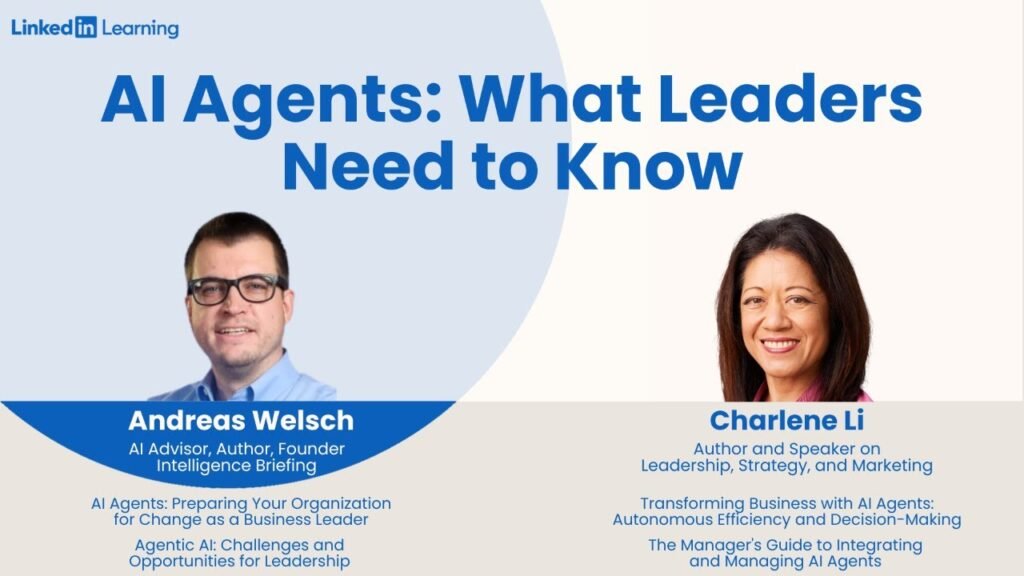
Agentic AI vs automation: how to test vendor agent claims, start with business problems, decide build vs buy, and bring employees along with transparency.
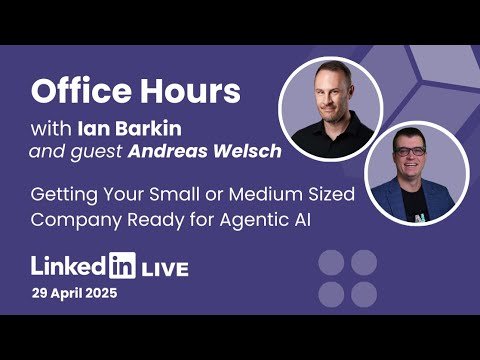
Agentic AI adoption guide for executives: what AI agents are, how they differ from RPA and chatbots, and how leaders test vendors and measure readiness.

IT cannot be the HR department for AI agents alone. See how an IT–HR partnership, clear agent roles and auditing make agentic AI governance work.

Goal-oriented agentic AI breaks a goal into sub-goals and acts on them. See how to test vendor claims, start with customer service, and tie agents to KPIs.
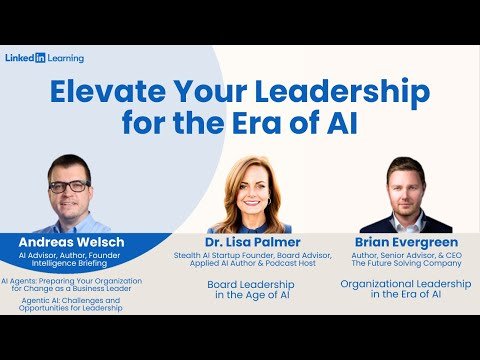
Autonomous transformation means giving AI goals, not instructions. How leaders build AI literacy, human-in-the-loop workflows, and communities of practice.

Understand how human data, bias, and review loops shape generative AI outcomes—and what leaders can do via CoEs, scaling, and upskilling.