


AI Agent Control Plane: Governing Agentic AI at Scale
An AI agent control plane shows which agents exist, what they access and how they perform. Govern agent sprawl with lifecycle management and guardrails.
An AI agent control plane shows which agents exist, what they access and how they perform. Govern agent sprawl with lifecycle management and guardrails.

The GenAI divide is the gap between deploying AI and real outcomes. Cross it by prioritizing few use cases, applying GenAI in context and stopping early.
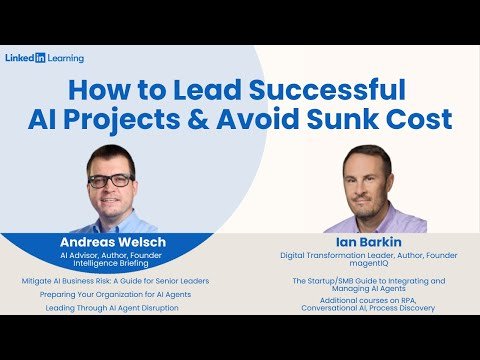
Run successful AI projects by tying each one to a KPI, expecting iterative cycles, reviewing progress monthly, and using lightweight governance on spend.
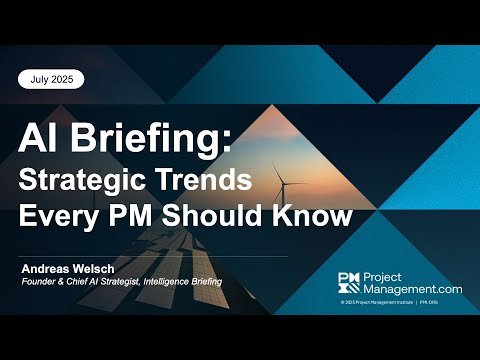
AI in project management shifts work from gathering status to review and decisions. Why teams hide AI use, and how leaders set quality and accountability.

AI ROI stays hard to prove without baselines and governance. Assess value before building, review progress on a cadence, and stop what does not deliver.
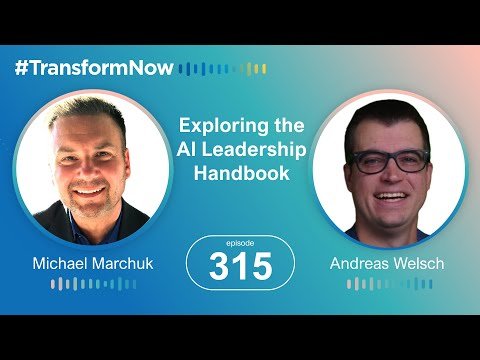
Prioritize AI use cases by starting with business goals and frontline insight, then build trust in AI outputs and prepare teams for agentic AI coworkers.

Turn technology hype into business outcomes: define value upfront, involve data teams early, pair sponsorship with frontline ideas, and lead change openly.
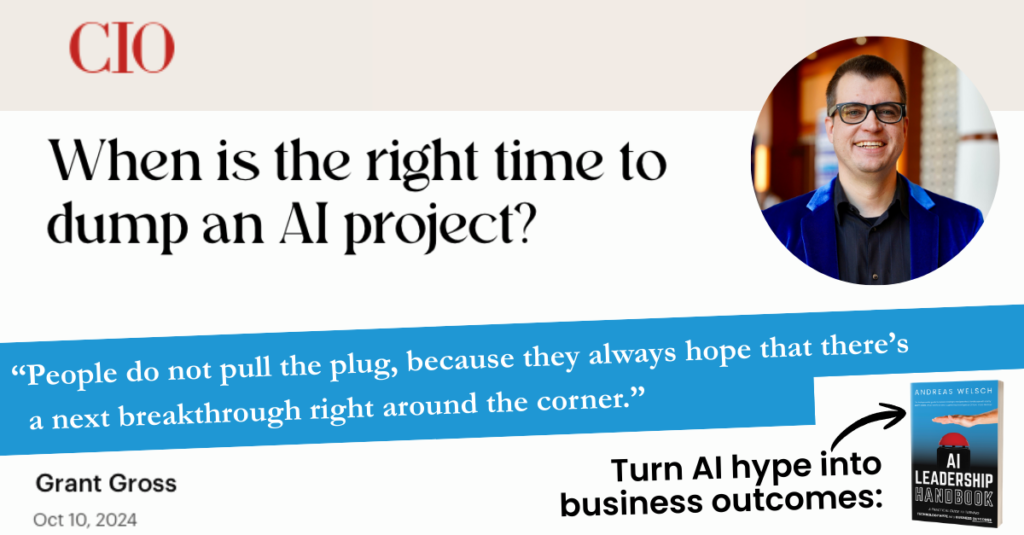
Stop AI cost overruns with KPIs beyond ROI, business-aligned pilots, and set checkpoints that make dumping, pausing, or refocusing a project routine.

AI adoption in the enterprise starts with business value, clean data and trust, then grows from quick-win automation to AI across end-to-end processes.

Get value from generative AI by starting with a business problem, piloting one use case, and governing hallucinations, data privacy, and model changes.
The leadership triangle of empathy, vision, and execution helps AI leaders pair domain and AI experts, drop buzzwords, and automate only for real value.

An AI mindset means knowing what AI can do, that it starts with data, and when rules or RPA fit better. Covers ERP data, sponsorship and AI communities.