


5 AI Governance Controls Auditors Expect to See
AI governance controls auditors expect: discovery, classification, authentication, login enforcement and audit evidence proving an AI policy is enforced.
AI governance controls auditors expect: discovery, classification, authentication, login enforcement and audit evidence proving an AI policy is enforced.

Evaluate SaaS vendors on AI governance: separate core from peripheral software, check AI risk standards and data ownership, and budget for metered usage.
An executive digital twin can save leaders time and improve proposals, but it brings drift, trust and knowledge-ownership risks the C-suite must govern.

Build AI governance that accelerates adoption without chaos. Key lessons on policy, training, measurement, and vendor selection from an executive panel.
Agentic AI for process excellence needs clear roles, rules, ownership and escalation thresholds, or agents speed up tasks while adding rework.

Andreas Welsch explains how agentic AI reshapes Enterprise SaaS: disruption risk, outcome-based pricing, governance, traceability, and workforce shifts.

AI workslop shifts review onto leaders. Prevent it with clear decision rights, accountability for AI output, and hands-on training that protects quality.
Human in the loop vs on the loop for agentic AI: match oversight to risk, treat agents as digital employees and as software, and apply the four A’s.

Agentic AI is moving beyond proof-of-concept pilots into operational deployments.
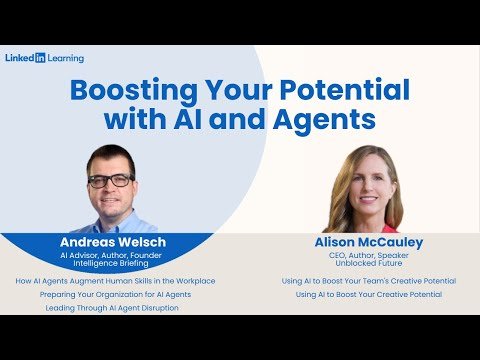
Boost human potential with AI by moving past Copilot rollouts: start with business problems, use existing vendor AI features, and scale with champions.
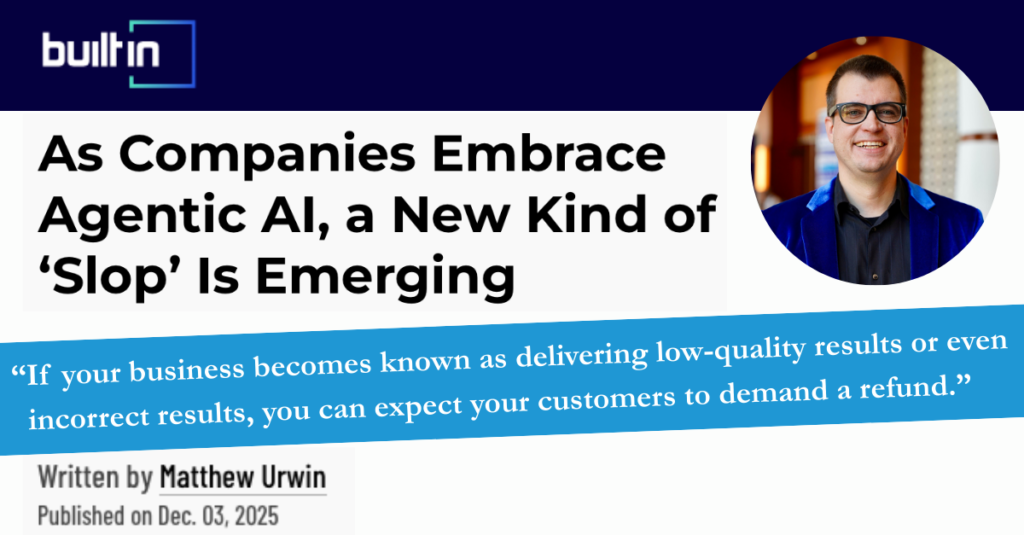
Agent slop is low-quality work from poorly designed AI agents. See how agentic AI governance, training, strategy, culture and orchestration prevent it.

Lightweight AI governance keeps AI slop and shadow AI in check: a fast intake process, one quality bar for all work, and human accountability for AI work.

What is Agentic AI really, how to avoid agent washing, and how can leaders govern adoption, prevent AI slop, and drive measurable impact.

Bring AI into the business by starting with strategy and measurable goals, designing pilots to scale, fixing data foundations, and governing generative AI.
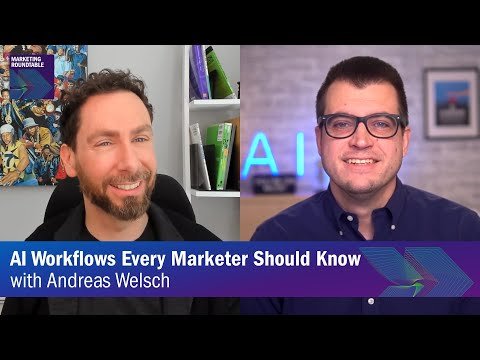
AI adoption in marketing needs guardrails, not bans: approve tools, keep sensitive data out, normalize transparent use and start with content repurposing.

IT cannot be the HR department for AI agents alone. See how an IT–HR partnership, clear agent roles and auditing make agentic AI governance work.

RPA and agentic AI work best together: RPA runs repeatable UI steps where APIs are missing, agents handle uncertainty, and leaders start with the problem.

An AI adoption strategy for leaders starts with KPIs, not tools. See how to choose an AI leader, enable every function and embed governance from the start.

Build trust in AI by tying adoption to measurable KPIs, making outputs explainable, involving stakeholders early and treating privacy as a boundary.